
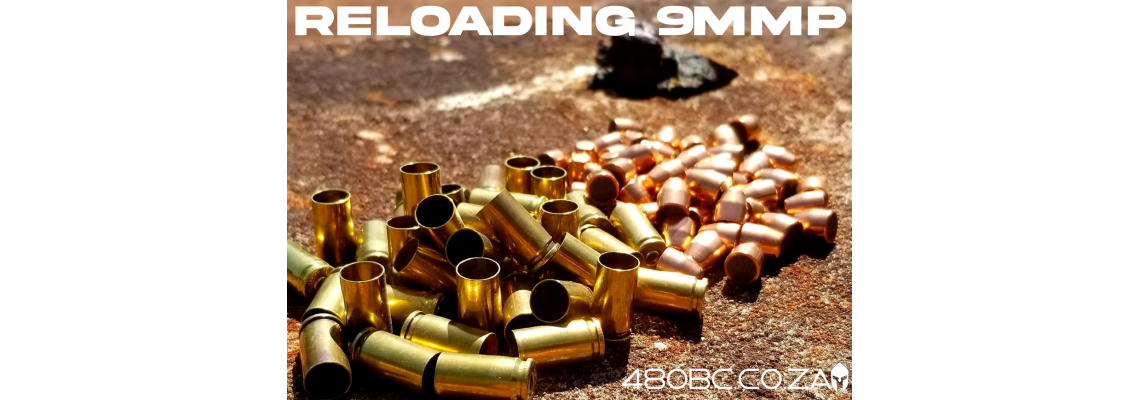
Final thoughts and a
quick look at load development.
Warning – this will
only apply to 9mmp loads as it is by far the most reloaded cartridge in SA.
Loads discussed are my own. Do not copy them, do a proper safe load
development.
So now you have a better understanding of the following:
What happens to the
case when fired.
The steps we have to
take to get the case ready again for another load.
What each die does in
the reloading process.
Clean your cases, do not run dirty cases. Dirt in a Progressive is
looking for trouble but also dirty cases can damage your dies.
There are a few ways to clean your cases;
A rinse in a solution
of Citric Acid (1Teaspoon), Sunlight (1Teaspoon), Vinegar (1Teaspoon) and 2
litres of hot water.
Dry Tumbling with
media. I use a Lyman Tumbler with Tuffnut media and a dash of car polish,
tumble for 3 hours and you have nice and shiny cases. The insides are not that
clean but clean enough to reload.
Or you can use a Wet
Tumbler, probably the best way to clean your brass. However it is more expensive
and you have a drying period.
Inspect your cases. Berdan primed cases gets chucked away. Lookout for
other calibres like 9mm Short, 40S&W and others. Mark your cases so they are easily identified
then you just need to check unmarked cases.
Whatever press setup you choose, be it a single stage, turret or
progressive take it slow in the beginning. Learn to feel what happens in each
step. To help with this I suggest you lube your cases. Yes I know, carbide dies
does not require lube but it does help smooth things out. For instance I can feel a primer being seated
in my Load Master.
Whenever something gets stuck rather stop and look. Berdan primed cases
can slip into your stash and will ruin a reloading session quickly. Rather than
using the force, stop and look. If you are loading on a progressive keep track
of what is happening. Stopping to remove a Berdan primed case could make you
lose track. Check that you did not double charge a case.
Do not force your press, remember that a primer needs only to be crushed
to go boom…that is why we wear eye protection when reloading.
Make sure you have the correct primers and powder loaded before you
start a session!
Always check that your case has the correct powder charge before seating
the bullet!
Flare enough to allow your bullet to seat without scraping of any
coating. This is important when loading coated bullets like Bullet Corp.
Crimp just enough to avoid setback! Check it and then double check
again.
On to Load Development….
How do you go about developing a load? Well, you have to decide what you
need from your reload. Are you just reloading to practise at the range or are
you heading into the wonderful world of sport shooting?
Well, the proper way is to do this with the help of a Chronograph. This
will measure the speed of the bullet. The speeds should be consistent. If not
this will let you know there is a problem.
If you are reloading for a Power Factor you need to chrony your loads.
There is no short cut.
What is Power Factor? Power Factor is used in sport shooting to level
the playing field and ensuring that competitors can knock down activating
targets. Power Factor for 9mmp or Minor is 125. This is worked out by measuring
the speed of the bullet then multiplying this with the weight of the bullet.
Then divide by 1000.
A 124 grain bullet needs at least 1009ft/s to make factor. Sport
Shooters usually want more speed to account for differences in chronies and
temperatures…on a cold morning you tend to lose a bit of speed.
If you are reloading just for range plinking you do not need to chase a
Power Factor. All you need is for your gun to function reliably.
To do this, start with the lowest recommended powder charge, load 10.
Then load 10 of the next weight and if possible 10 of the next weight. Stay in
the recommended min/max.
Place a target at 5m. Shoot the first 10 from 1 magazine. Shoot the
first 5 freestyle and try and group them as tight as possible. Shoot the next 2
rounds strong hand only, then the next 2 weak hand only but with a weak grip,
this is the only time you need to limp wrist a shot. Then the last round,
freestyle again and make sure that the empty mag locks the slide to the back.
If this was successful use this load, no need to go up in your powder charge.
If not, go to the next lot you loaded.
Do not exceed the max suggested by the manufacturer without the use of a
chrony!
You also need to inspect your cases after you have shot them. Are the
primers showing signs of pressure? Flattened or bulged primers could mean
excessive pressure. This is not always the case and a chrony remains the best
tool to check this.
If you had stove pipes check the outside of the case. Is it black from
powder burns? If yes then you need to up the charge. A blackened case is an
indication that your load does not have enough pressure to seal the chamber and
is allowing gases to escape back out of the chamber…which burns the case black.
Inspect your target; make sure that you have nice clean bullet holes.
Tears in the target instead of holes are a sign of tumbling bullets.
A few things to note.
Stick to the Powder
manufacturers recommended loads. Only go higher if required and only with the
use of a chrony.
If you are using S121
note the batch deviations! This is also listed on their website. I recommend
you relook your load if you change batches.
When you increase your
load do it as low as possible…even a 0.1grain increase in powder charge will
increase the muzzle velocity.
I hope these posts have helped you understand a bit more about reloading
9mmp. It may sound like a lot but if you do things correctly reloading 9mmp is
easy.
Just be safe, take things slow and most important enjoy!
Leave a Comment