Did you
know?
Lee
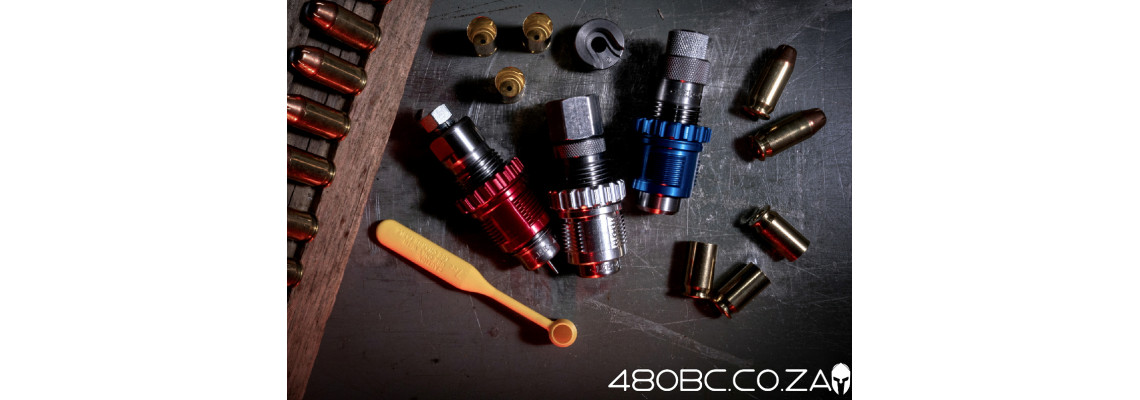
Precision Resizing and Decapping Dies have a built in feature to save you from
breaking decapping pins.
The
decapping pin is retained by a collet in the die. This decapper clamp can be
set to ensure that if you run into one of those damn Berdan primed cases your
pin will only be pushed up with no damage to the pin.
To set this
grab a size 19 spanner and a size 13 ring spanner. Gedore spanners work nice as these nuts are
all imperial sized. With the die in your press, take your 19 and hold the die
body. Use the 13 ring spanner on the decapper clamp. Now set the pin flush and
tighten just enough so that it will deprime a boxer primed case.
Now test a
Berdan primed case and make sure the clamp is not too tight and that the case
actually moves the pin up. This will be
a case of trial and error but you will find that sweet spot.
This will
save your decapping pin.
There are 2
more methods to save your decapping pin.
Inspect your
cases. Yes this is tedious but will save you money and time in the long run.
Mark your cases to identify them easily on the range. If you do pick up a case
without your marking, inspect it first before processing.
Do not force
your press! If something does not feel right, rather look and find the
problem…and yes even old hands get caught with this. So again…Do not force your press!
And it’s
just not Berdan primed cases that can break decapping pins. Crimped primers can
also be a problem…S&B has cases marked NX, these have crimped in primers
and a smaller flash hole…1.6mm rather than 2mm.
Lee
Precision has undersized decapping pins just for these types of cases.
Cases with
crimped primers also need to have their primer pockets swaged. This will allow
for easier seating of a new primer. The Lee Automatic Processing Press has been
a blessing for this…its Primer Pocket Swager Kit works a treat.
But you need
to decide if these S&B NX cases and crimped primer cases are worth
processing.
And also
remember that a pin will break eventually, with enough use the pin will become
brittle and break.
Even with
all these tips it is always best to have spares on hand. I have learned over
the years that things tend to break at the worst of times so having spares on
hand might just save your reloading session.
Leave a Comment